Grasping Gutter Installation in Arkansas
Gutter installation in Arkansas is a critical component of residential maintenance, especially for homeowners in Rogers and surrounding locales. Gutters play a vital function in guiding water away from a home's base, preventing moisture injury, and maintaining the building integrity of the property. For homeowners, understanding the essentials of gutter installation is essential to secure extended protection and functionality.
Arkansas, recognized for its changing weather, poses special issues for gutter units. The region encounters intense precipitation, particularly in the first season and warm season, which can result to moisture pooling around a property's foundation if gutters are not adequately mounted. In Rogers, where the environment is like to other parts of the area, homeowners must be aware of the unique needs for gutter installation to keep away expensive maintenance later.
Gutter setup includes more than just attaching a network to the edge. It needs meticulous planning, the correct materials, and attention to area building regulations. Homeowners should take into account the type of structure, the inclination, and the nearby environment when picking a gutter unit. In case it's a classic continuous network or a increased modern modular style, the objective is to build an effective water drainage approach that lasts for years.
Crucial Elements Affecting Gutter Installation in Arkansas
Several major factors influence the process of gutter installation in Arkansas. The meteorological and meteorological factors serve a major function in determining the most suitable method for installing gutters. Arkansas faces a mix of subtropical humid and temperate weather conditions, which implies that homeowners needs be ready for both heavy rain and periodic droughts. These weather cycles can affect the durability and performance of gutter installations, which makes vital to choose substances that can endure these environments.
Materials are another vital factor in gutter mounting. Usual materials include aluminum alloy, metal, and polymer, each with its own benefits and cons. Aluminum alloy is easy to carry and immune to corrode, making it a popular choice in many parts of Arkansas. Steel gutters are significantly sturdy but can be prone to oxidation if not sufficiently cared for. Polymer gutters are cost-effective but may not hold up as effectively in severe meteorological situations.
Furthermore to supplies, the local surroundings also serves a role in gutter mounting. Take for instance, regions with dense vegetation may demand greater frequent service. In Rogers, where tree population varies, homeowners must evaluate the type of trees near their land when picking a gutter installation. The best option can minimize the risk of obstructions and guarantee that liquid flows effectively away from the home.
Top Practices for Gutter installation in Rogers and Nearby Areas
When it comes to gutter setup in Rogers, Little Rock, Fayetteville, and Springdale, observing top tips is essential for long-term results. Each of these regions has its own particular attributes, from topography to atmosphere, which can affect the mounting method. For instance, Fayetteville's hilly landscape may necessitate tailored gutter approaches to confirm proper fluid flow, while Springdale's expanding housing locations have noted an rise in demand for long-lasting low-maintenance systems.
One of the most key best practices is to ensure that gutters are installed with the right slope. A suitable slope allows water to drain effortlessly toward the downspouts, preventing buildup and overflows. In Rogers, where significant rain is common, a small incline of about 1/4 inch per 10 feet is typically recommended. This ensures that water flows effectively without resulting in harm to the groundwork or adjacent landscape.
Another essential practice is to use top-notch brackets and mounts. These components secure the gutters in place and keep them from bending or falling off during intense rain. In Arkansas, where climatic situations can be uncertain, it's vital to use weatherproof materials that can handle the elements. Homeowners should also take into account the kind of surface when selecting fasteners, as various roof components may demand specific installation techniques.
Choosing the Right Gutter materials for Arkansas
Selecting the proper materials for gutter installation in Arkansas is crucial for extended effectiveness. The state's weather, with its mix of intense precipitation and occasional droughts, demands supplies that can deal with both challenges. Aluminum is a well-liked option due to its compact character and protection to oxidation. It is also fairly simple to set up and care for, resulting in it a practical choice for many homeowners.
Steel gutters offer greater resilience but may demand more maintenance, especially in areas with high humidity. They are frequently utilized in commercial environments or for homes that require extra robustness. Vinyl gutters, while affordable, are not as long-lasting as metal choices and may not last well in severe weather. However, they are a solid option for homeowners searching for an affordable choice that requires low care.
In addition to material selection, the size and design of the gutters also matter. Larger gutters are better suited for areas with high rainfall, such as Rogers and Little Rock, where heavy downpours are frequent. Homeowners should also consider the type of downspouts used, as they play a key role in directing water away from the property. Appropriately sized and positioned downspouts can stop water from pooling around the foundation and lower the risk of basement flooding.
How Climate Affects Gutter Installation in Arkansas
The climate in Arkansas has a major impact on gutter installation, notably in areas like Rogers, where weather conditions can vary throughout the year. Heavy rainfall during the spring and summer months can lead to overflowing gutters if the setup is not properly designed. In contrast, periods of drought may cause gutters to dry out and crack, especially if they are made from less durable materials.
Homeowners in Arkansas should also be aware of the potential for ice dams in the winter. While Arkansas does not experience the same level of snow as northern states, occasional freezing temperatures can still lead to ice buildup on roofs. This can cause water to back up and seep into the home, leading to expensive damage. To prevent this, homeowners should confirm that their gutters are correctly insulated and that the roof is adequately ventilated.
In addition to temperature extremes, wind and hail can also affect gutter performance. Strong winds can dislodge gutters from the roofline, while hail can cause dents and harm to the installation. Choosing materials that are resistant to these elements is vital for long-term durability. Homeowners in Rogers and nearby areas should work with experienced professionals who understand the local climate and can recommend the best solutions for their specific needs.
Cost of Gutter Installation in Arkansas: What to Know
The cost of gutter installation in Arkansas can vary depending on several factors, including the size of the home, the type of materials used, and the complexity of the installation. On average, homeowners in Rogers and surrounding areas can expect to pay between $3 and $10 per linear foot for experienced installation. This range includes both labor and materials, with higher costs typically associated with premium materials like steel or custom designs.
For a standard single-story residence with 150 feet of gutters, the total price could range from $450 to $1,500. Larger homes or those with complex rooflines may require more extensive installation, leading to higher costs. It's vital for homeowners to get multiple quotes from area contractors to ensure they are getting a fair price for the work.
In addition to installation costs, homeowners should also consider the long-term maintenance expenses. While some materials, like aluminum, require minimal upkeep, others may need regular cleaning and repairs. In Arkansas, where heavy rainfall is common, homeowners may need to clean their gutters more frequently to prevent clogs and overflow. This can add to the overall cost of ownership, but it's a necessary part of maintaining a functional gutter system.
Maintaining Gutters in Arkansas: Care and Solutions
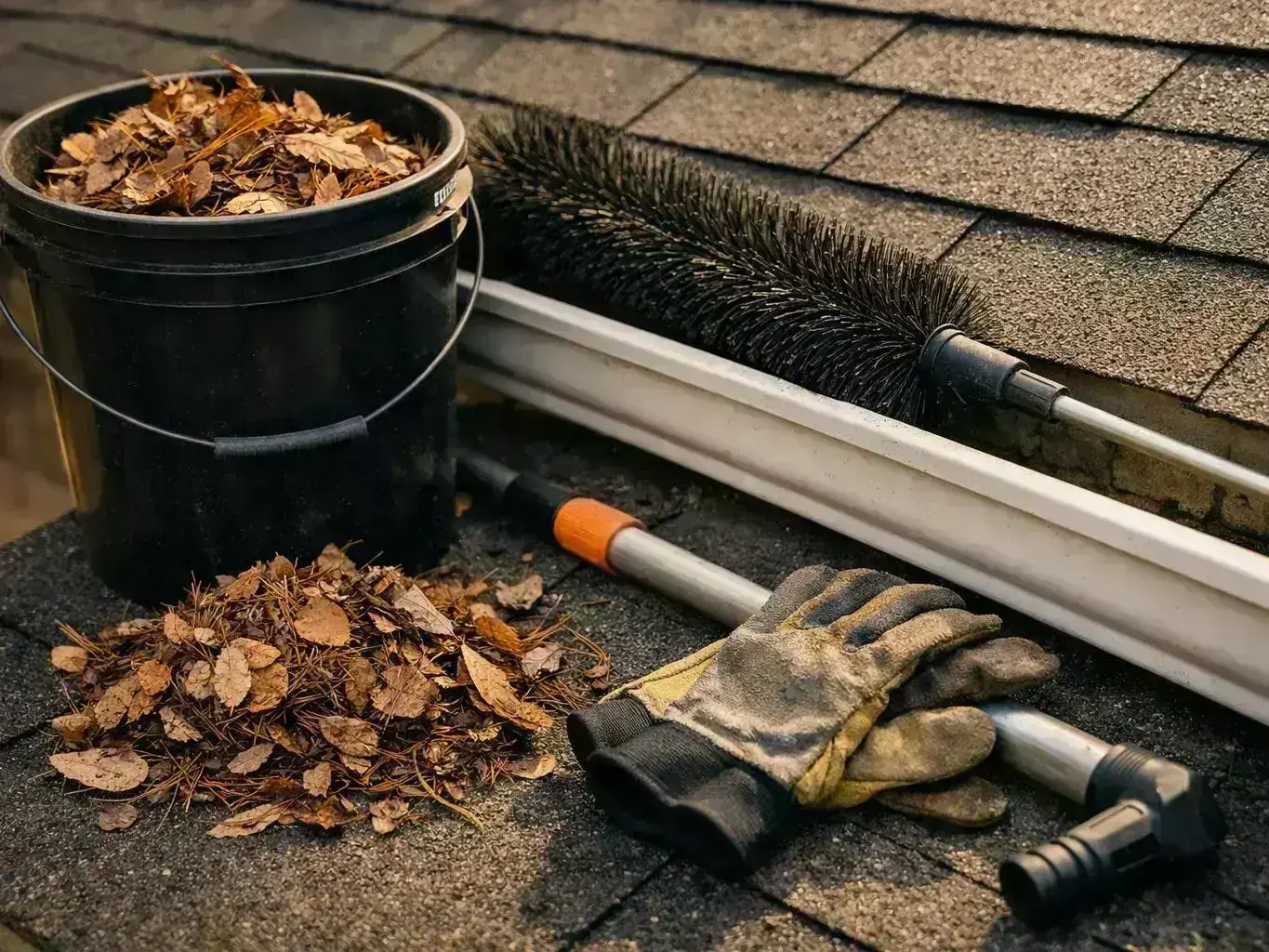
Regular care is important for keeping gutters in good condition, especially in Arkansas, where heavy rainfall can lead to regular clogs and overflow. Homeowners should plan cleaning sessions at least on a biannual basis a year, preferably in the spring and fall. This assists remove accumulation such as leaves, twigs, and dirt that can gather in the gutters and impede the flow of water.
In addition to maintenance, homeowners should inspect their gutters for symptoms of damage. Sagging gutters, cracks, or rust are all indicators that solutions may be needed. In Rogers, where the weather can be unpredictable, it's crucial to address these issues immediately to prevent further damage. Fixes can range from basic fixes, like exchanging a damaged section of gutter, to greater comprehensive work, such as reattaching loose brackets or adjusting the slope.
Expert maintenance services can also be a important commitment for homeowners in Arkansas. These services typically contain thorough cleaning, review, and minor fixes, confirming that the gutter framework is working effectively. Many regional contractors provide seasonal maintenance programs, which can help homeowners keep on top of their gutter maintenance without the trouble of doing it personally.
Local Building Codes and Regulations for Gutters in Arkansas
Homeowners in Arkansas must be aware of area building codes and regulations when it comes to gutter installation. These codes are designed to make sure that all gutter setups meet safety and operation requirements, safeguarding both the building and the surrounding environment. In Rogers, as in other cities across the state, there are particular standards for the size, placement, and materials used in gutter installations.
One of the key regulations is the requirement for correct drainage. Gutters must be installed in a way that directs water away from the residence's foundation and into a designated drainage area. This helps avoid water from pooling around the base of the house, which can lead to structural damage and mold growth. In areas like North Little Rock, where proximity to the Arkansas River increases the risk of flooding, extra measures may be required to ensure that water is properly managed.
Another important regulation is the use of approved materials. Local codes often specify which types of materials are acceptable for gutter installation, based on their durability and resistance to weather conditions. https://docs.monadical.com/tFCud4AoR1WD3nSoogUReA https://squareblogs.net/bruceshea97095/comparing-how-to-find-a-trustworthy-gutter-installer-in-arkansas-vital Homeowners should consult with local authorities or a licensed contractor to ensure that their gutter system complies with all applicable regulations. Failure to follow these guidelines can result in fines or the need to redo the installation, which can be costly and time-consuming.
Indicators Your Gutters Need Fixing in Arkansas
Homeowners in Arkansas should be aware for signs that their gutters may need maintenance. One of the most common signs is water accumulation around the foundation of the home. This can result in basement flooding, fungus growth, and harm to the stability of the home. If water is not flowing correctly, it may be a symptom that the gutters are obstructed, worn, or improperly installed.
Another sign that gutters need repair is drooping or pulling away from the eaves. This can occur due to the load of material or the gradual damage of the system over duration. In Rogers, where strong downpours is common, sagging gutters can cause overfilling and wet damage. Homeowners should also inspect for cracks, corrosion, or holes in the gutter system, as these can allow water to leak and result in additional harm.
In relation to physical signs, homeowners should focus on the performance of their gutter system. If water is not running properly through the water channels or if there are visible leaks, it may be the moment to repairs. Regular inspections and care can assist in detecting these problems promptly, avoiding more extensive damage and costly repairs in the future.
FAQ
What are the most frequent types of gutters used in Arkansas?
Aluminum, steel, and vinyl are the most frequent types of gutters used in Arkansas. Each material has its own advantages, with aluminum being lightweight and resistant to rust, steel offering greater durability, and vinyl offering a cost-effective option. For dependable Gutter Installation in Arkansas in Arkansas, AGM Gutters delivers skilled direction and effective solutions.
How do climate conditions in Arkansas affect gutter installation?
Arkansas experiences a mix of humid subtropical and temperate climates, with heavy rainfall in the spring and summer. These conditions need gutters that can handle large volumes of water and resist damage from moisture and temperature changes.
What materials are best suited for Arkansas weather?
Aluminum is a popular choice for Arkansas due to its resistance to rust and lightweight nature. Steel gutters are durable but may call for more maintenance, while vinyl gutters are cost-practical but may not hold up as well in extreme weather.
What is the common cost of gutter installation in Arkansas?
The cost of gutter installation in Arkansas generally ranges from $3 to $10 per linear foot, depending on the materials used and the complexity of the installation. For a common single-story home, the total cost could range from $450 to $1,500.
What are the steps involved in professional gutter installation?
Professional gutter installation involves assessing the roofline, measuring the required length, selecting the appropriate materials, installing the gutters with the correct slope, and ensuring proper drainage. Contractors also check for any potential issues and make necessary adjustments to ensure the system functions effectively.