

Common Gutter Installation Issues in Arkansas
Gutter installation in Arkansas, especially in North Little Rock, poses a special group of issues due to the region’s climate patterns and local weather. Residents commonly deal with issues including incorrect water management, moisture damage, and building concerns. These issues might be exacerbated by the variable character of Arkansas climate, which features significant downpours and periodic intense conditions events.
In North Little Rock, the combination of significant downpours and varying climate might cause frequent gutter issues. For example, improper setup might result in gutters to fall or move away from the residence, causing liquid gathering around the foundation. This is a usual problem that homeowners could not promptly identify, but it may lead to significant injury in the long run.
The significance of proper gutter placement cannot be overstated. It not only safeguards the home’s perimeter but also guarantees that moisture is moved away from the groundwork, preventing expensive fixes. Recognizing the usual issues linked with gutter installation in Arkansas is the initial action in addressing them effectively.
How Arkansas Climate Impacts Gutter Efficiency
The climate in Arkansas plays a vital role in how well gutters perform. North Little Rock, like much of the state, experiences a humid subtropical climate, characterized by hot summers and mild winters. This climate can lead to heavy rainfall throughout the year, which places a major strain on gutter installations.
Arkansas weather is known for its variability, with sudden storms and prolonged periods of rain. These conditions can overwhelm improperly installed gutters, leading to water overflow and possible harm to the home’s structure. The require for weather-resistant materials becomes evident in such environments.
In North Little Rock, the combination of high rainfall and fluctuating temperatures can cause gutters to expand and contract, leading to stress on the system. This stress can result in leaks, sagging, or even complete failure of the gutter system. Homeowners must be aware of these climate-related challenges to make sure their gutters are properly installed and maintained.
Recognizing Rainfall Patterns in Little Rock and Surrounding Areas
Rainfall patterns in Little Rock and the surrounding areas, including North Little Rock, are a key factor in gutter installation. The region typically receives an average of 50 inches of rainfall annually, which is higher than the national average. This high volume of rain necessitates a robust gutter system that can handle the load without failing.
In North Little Rock, the rainfall is often concentrated during the spring and summer months, with occasional thunderstorms that can provide heavy downpours. These conditions can rapidly overwhelm a gutter system that is not designed to tackle such volume. As a result, residents may experience water damage, erosion, or even basement flooding.
Understanding these rainfall patterns is vital for selecting the right gutter system. It allows homeowners to make informed decisions about the size, material, and installation of their gutters. Proper planning can significantly reduce the risk of water-related issues and ensure that the gutter system functions effectively throughout the year.
Dealing with Extreme Weather in Fayetteville and Springdale
While North Little Rock is a primary focus, it’s important to consider the surrounding areas like Fayetteville and Springdale. These cities also experience similar rainfall patterns and weather conditions, making them relevant when discussing gutter installation in Arkansas. Intense conditions, such as rainstorms and intense precipitation, can impact all these regions.
In Fayetteville and Springdale, the combination of torrential rain and forceful breezes can lead to further challenges for gutter systems. Wind can blow debris into gutters, resulting in obstructions and decreasing their functionality. This is especially difficult in areas with a great deal of trees, as leaves and limbs can quickly jam the system.
Homeowners in these areas must be proactive in maintaining their gutters to avoid these issues. Frequent checks and tidying are crucial to ensure that the system functions correctly. By understanding the distinct issues posed by intense weather, homeowners can take the essential actions to guard their homes.
Best Materials for Gutter Installation in Arkansas
Choosing the optimal materials for gutter installation in Arkansas is important for sustained performance. The region’s climate, with its high waterfall and fluctuating temperatures, demands components that can withstand these circumstances without wearing. Popular supplies implemented in gutter setup include aluminium, metal, and polymer.
Aluminum gutters are a common choice due to their compact and corrosion-resistant properties. They are also relatively affordable and can be simply installed. However, they may not be the ideal choice for areas with heavy ice or severe heat changes, as they can be likely to twisting.
Steel gutters are greater durable than aluminium and can manage heavier burdens. They are commonly used in zones with greater severe climatic circumstances. However, they are heavier and may require more supporting during mounting. Vinyl gutters are an additional selection, providing a minimal-effort solution that is immune to corrosion and degradation.
In North Little Rock, the choice of supply can greatly influence the effectiveness of the gutter setup. Homeowners should evaluate the area weather and the specific demands of their residence when choosing materials. Seeking advice with a experienced gutter setup service, such as AGM Gutters, can assist confirm that the right materials are picked for the job.
Professional Gutter installation Procedures in Arkansas
Professional gutter installation in Arkansas involves a series of actions created to guarantee that the system operates effectively and survives for years. The process generally starts with an evaluation of the home’s specific needs, including the area of the roof, the type of roofing material, and the area weather factors.
Once the assessment is finished, the next procedure is to measure and cut the gutters to suit the home’s dimensions. Proper measurement is important to ensure that the gutters are installed properly and do not sag or move away from the house. The setup of water channels follows, with attentive attention paid to their position to confirm proper drainage.
After the gutters and drain pipes are installed, the last procedure is to test the system to guarantee that it is functioning accurately. This entails reviewing for gaps, confirming that water is guided away from the foundation, and doing any important modifications. A skilled installation can assist prevent common issues like rain injury and building issues.
In North Little Rock, engaging a expert for gutter installation is a smart commitment. It confirms that the job is completed properly and that the system is created to manage the local climate. A professional installation can also offer calm of conscience, realizing that the system is developed to last.
Local Building Codes for Gutter Installation in Arkansas
Regional building codes in Arkansas play a vital role in confirming that gutter installations meet protection and operation guidelines. These codes are designed to shield homeowners and ensure that gutter installations function efficiently. In North Little Rock, as in other parts of the state, there are particular regulations that must be followed during the installation procedure.
One of the key standards is that gutters must be installed with the correct slope to ensure that water flows efficiently towards the downspouts. This helps prevent water from pooling in the gutters and causing damage to the home’s structure. Additionally, gutters must be installed at a safe distance from the foundation to prevent water from seeping into the basement.
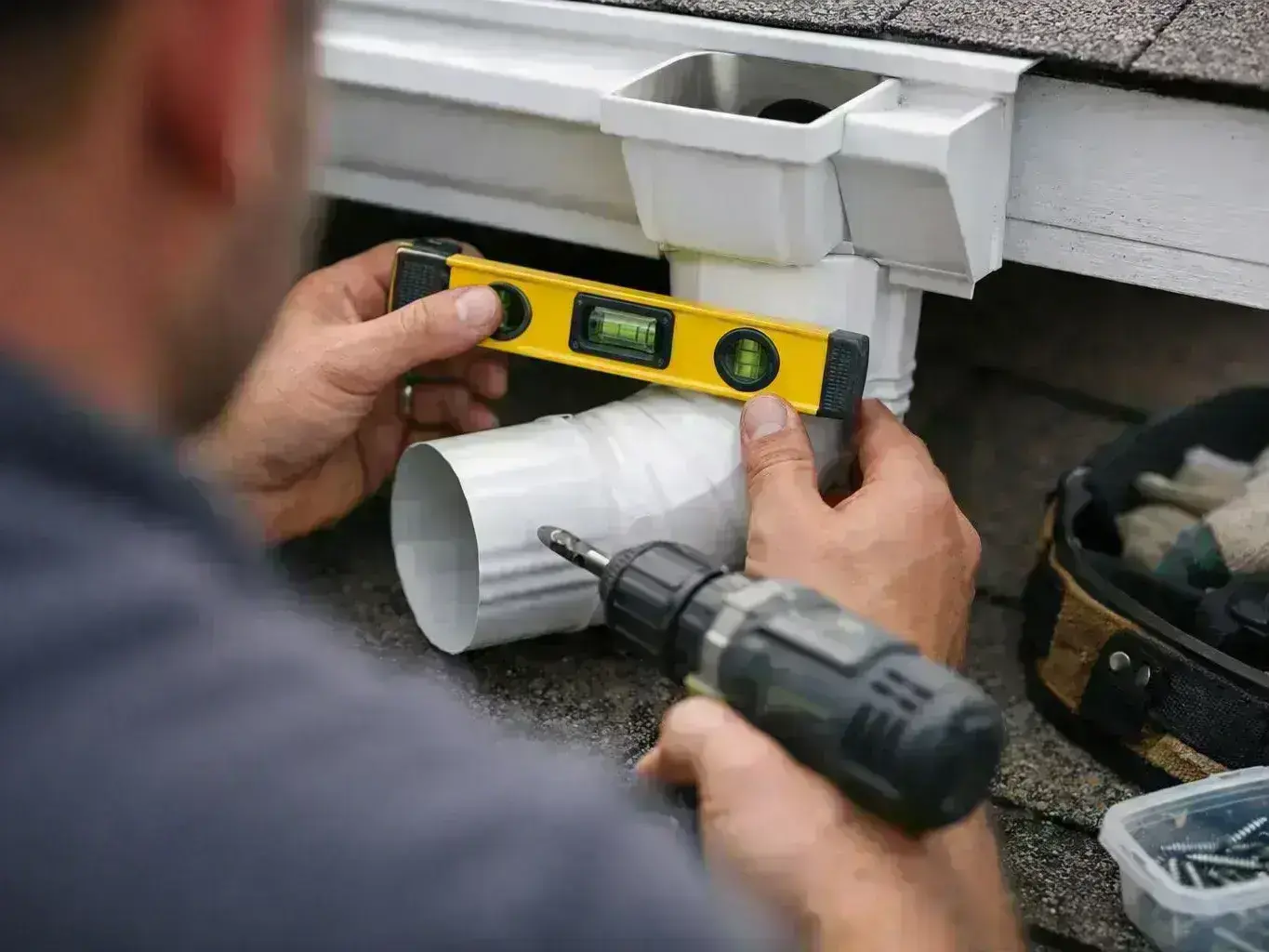
Homeowners in Arkansas should be aware of these local building codes and ensure that their gutter installation complies with them. https://columncough49.bravejournal.net/how-to-evaluate-professional-gutter-installation-services-in-arkansas Failure to follow these regulations can result in costly repairs and potential safety hazards. Consulting with a professional gutter installation service, such as AGM Gutters, can help ensure that the installation meets all local requirements.
Signs Your Gutters Need Fix in Arkansas
Identifying indicators that your gutters need maintenance is essential for keeping the sturdiness of your home’s perimeter. In Arkansas, where the environment can be unpredictable, it’s crucial to be aware about the status of your gutter installation. Typical signs that your gutters may need fix include bending or moving away from the house, water pooling around the base, and apparent breaks or cracks.
In North Little Rock, property owners may also see moisture marks on the walls or destruction to the exterior, which can suggest that the gutters are not operating correctly. These issues can result in additional significant issues, such as base injury or mold formation, if left.
Ongoing inspections and maintenance are important for identifying these issues early. By handling problems as they occur, property owners can prevent additional widespread injury and cut the need for expensive fixes. In certain cases, a professional gutter repair help may be required to ensure that the installation is repaired to optimal status.
FAQ
What are the most frequently varieties of gutters used in Arkansas?
In Arkansas, the most often styles of gutters consist of aluminum, steel, and vinyl. https://nolan-mckay-4.thoughtlanes.net/professional-gutter-installation-in-arkansas-a-complete-guide-1794961776 These elements are picked for their durability and skill to handle the local climate. Aluminum gutters are lightweight and corrosion-resistant, which makes them a well-liked option. Steel gutters are more durable and can manage more weight, while vinyl gutters supply a low-maintenance choice that is not prone to rust and deterioration.
How do weather conditions in Arkansas affect gutter placement?
The atmosphere in Arkansas, particularly in North Little Rock, has a big impact on gutter installation. The region experiences large amounts of rain and fluctuating temperatures, which can put pressure on gutter systems. Proper installation is essential to ensure that gutters can support the amount of water and prevent issues such as slumping, faults, and water-related damage. Homeowners must consider the regional weather conditions when choosing materials and fitting techniques.
What substances are ideal for Arkansas climate?
For Arkansas weather, elements that are resistant to weather and tough are ideal for. Aluminum and steel gutters are often recommended due to their capacity to endure heavy rainfall and temperature changes. Vinyl gutters are also a suitable choice as they are resistant to rust and deterioration. Opting for the correct material can aid in ensuring that the gutter installation works properly and lasts for years.
What is the usual price of gutter installation in Arkansas?
The expense of gutter installation in Arkansas can change depending on aspects including the dimensions of the house, the type of materials applied, and the complexity of the installation. Typically, owners can anticipate paying between 3 and 7 dollars per linear foot for installation. It’s essential to acquire multiple quotes from professional gutter placement services to ensure that the rate is reasonable and that the job is carried out properly.
What are the procedures involved in professional gutter setup?
Professional gutter placement usually includes several processes, including an early assessment of the home’s requirements, dimensioning and trimming of the gutters, placement of the unit, and verification to guarantee correct operation. The method also involves reviewing for faults, confirming the correct inclination for water movement, and performing any necessary adjustments. Engaging a professional guarantees that the installation is executed accurately and that the system is set up to handle the local weather aspects.